
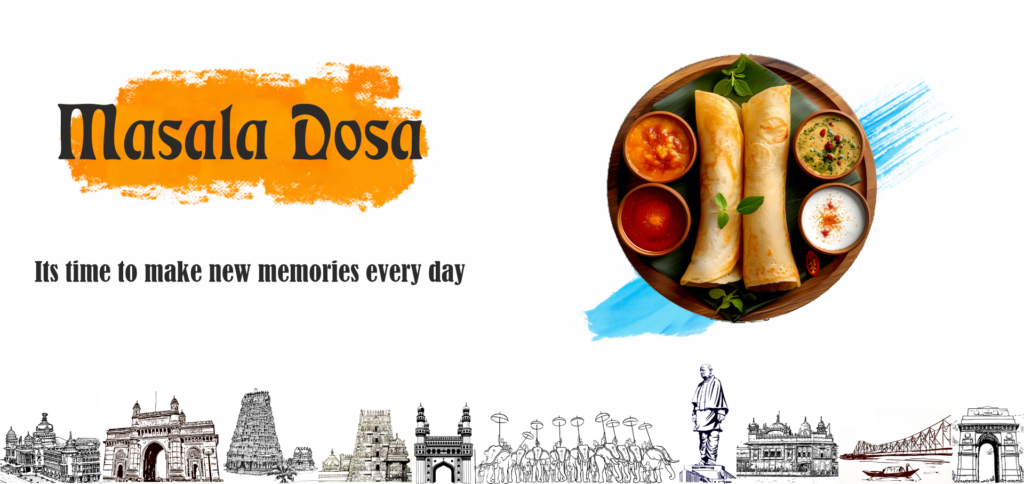

We, ‘Manilthas’ a popular Eating Point known for its exceptional Masala Dosa, prepared with perfectly fermented batter, crispy texture, and flavorful potato filling that keeps customers coming back. Beyond our signature dish, Manilthas offers a wide range of dosa varieties, customized to suit different tastes, from simple classic dosas to more innovative options based on customer preferences. What truly sets us apart is our commitment to customer satisfaction—we provide on-request dosa preparation at customers’ locations, making them an excellent choice for events, gatherings, and special occasions. With a focus on quality ingredients, hygiene, and authentic taste, Manilthas delivers a memorable and satisfying dining experience every time.
Types of Dosas
Since its origin, dosa has evolved into many varieties. In the southern part of India, you can find over 100 types of dosas, with four major varieties gaining worldwide popularity. At Manilthas, we regularly prepare these four popular types, and upon customer request, we also offer a wide range of other dosa varieties.
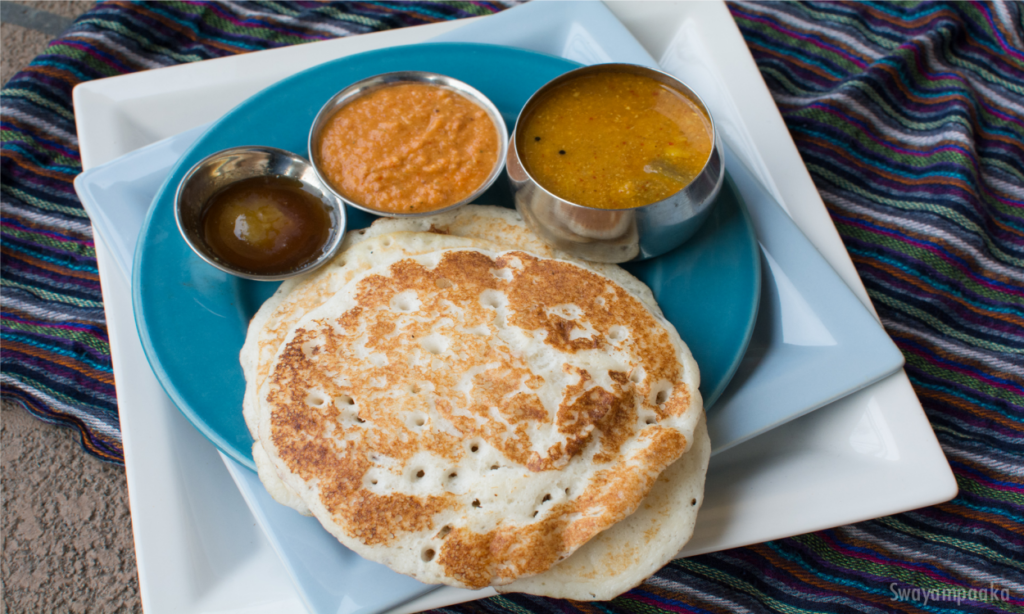
Set Dosa
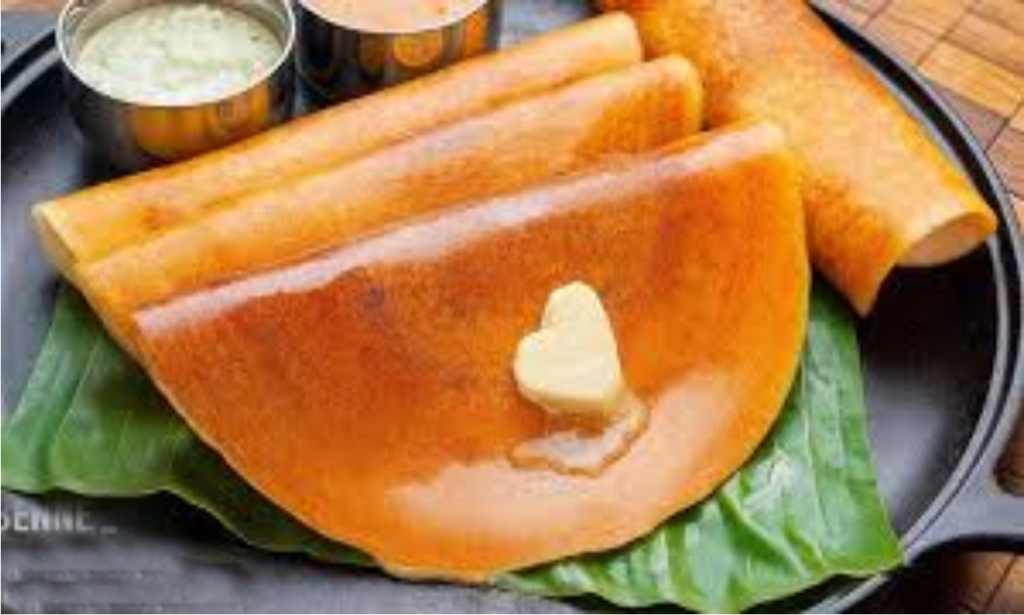
Butter Dosa
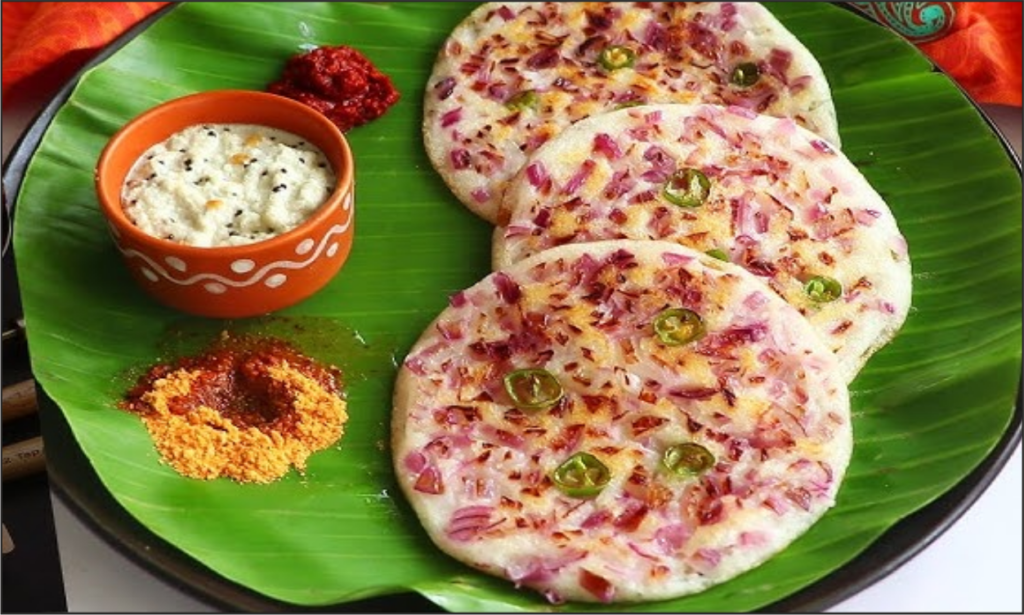
Uttappam(Onion Dosa)
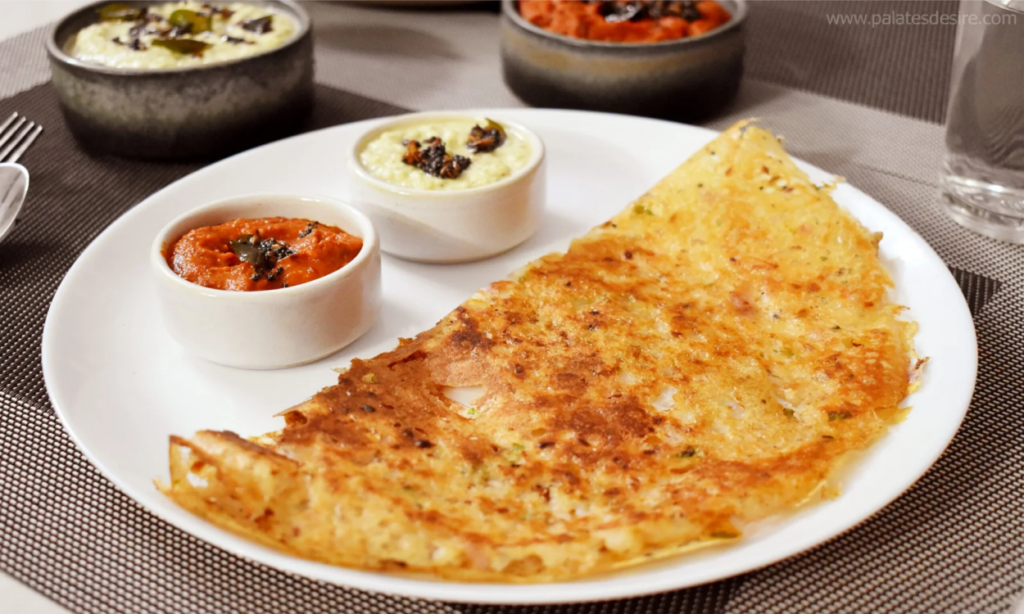
Rava Dosa
History of Masala Dosa
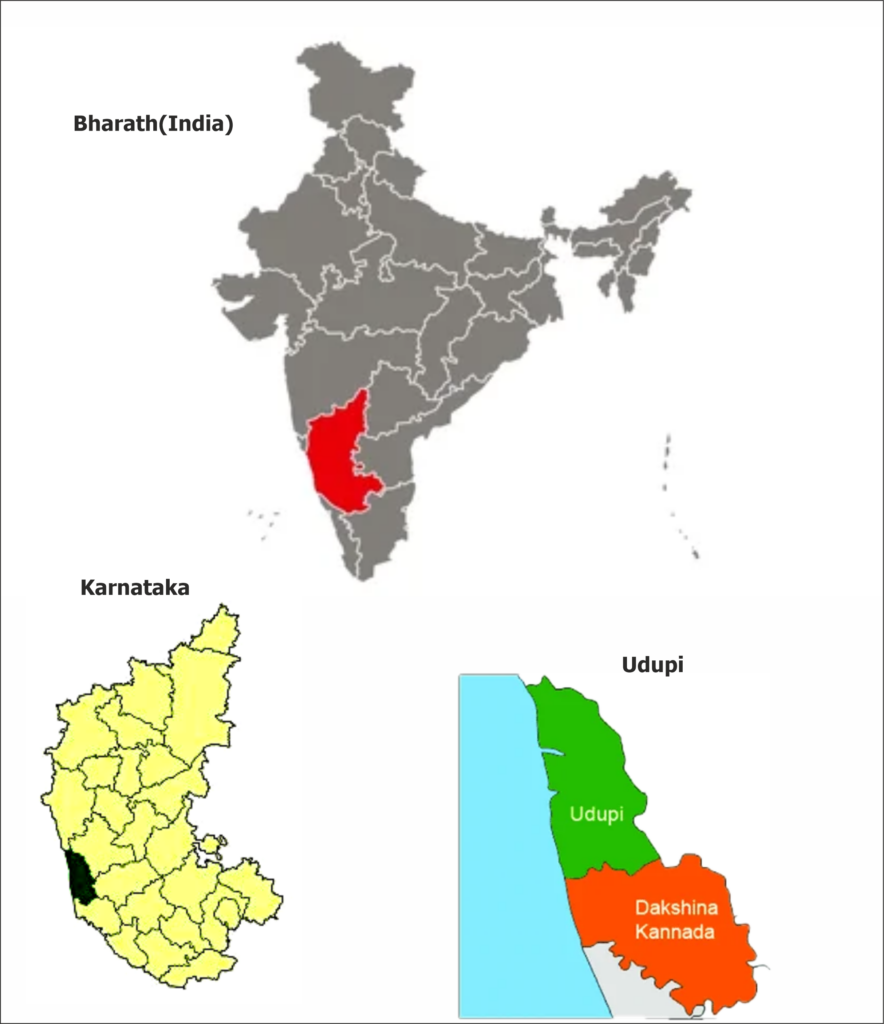
The basic dosa is believed to have originated in the southern part of India, especially in the region of Udupi, around 1,000–2,000 years ago. Early references to dosa appear in ancient Tamil and Kannada literature. Back then, it was a simple fermented rice and lentil crepe, eaten plain without filling.
Birth of Masala Dosa
The Masala Dosa (the stuffed version) came much later. It is widely believed to have evolved in the state of Karnataka, particularly in Bangalore and Udupi-style restaurants.
The potato filling (masala) was introduced during the 18th–19th century.
Potatoes themselves were brought to India by the Portuguese, and over time, Indians adapted them into local cuisine.
The spicy potato mixture with mustard seeds, curry leaves, turmeric, and onions became the perfect filling.
Udupi Restaurants Influence
The spread of Masala Dosa across India is strongly linked to the rise of Udupi restaurants, which popularized affordable, vegetarian South Indian food in cities like Mumbai, Chennai, and Bangalore.
Global Popularity
- Widely recognized as one of India’s most famous traditional dishes
- Served in Indian restaurants across the USA, UK, Canada, Australia, and many other countries
- Loved by both Indian communities and international food enthusiasts
- Known for its unique combination of crispy dosa, potato filling, chutneys, and sambar
- Considered a complete and satisfying meal
- Popular at international food festivals and cultural events
- Frequently featured on global restaurant menus and food apps
- Preferred by vegetarians and vegans worldwide
- Gluten-free and made through natural fermentation, appealing to health-conscious consumers
- Continues to grow in popularity as a symbol of Indian cuisine globally

Masala Dosa was even listed among the “World’s 50 Most Delicious Foods” by CNN, highlighting its international fame.
In one line: “Masala Dosa is where tradition met innovation—and created a timeless classic.”
Ingredients & Health Points
Dosa Batter
The key ingredient for making Masala Dosa—or any dosa—is the batter. If the batter is not prepared properly, it can ruin the quality of the dosa. To make a good batter, parboiled rice, fenugreek seeds, chickpeas, pigeon peas, black lentils, and flattened rice are combined in the right proportions and soaked for the required duration. Once ground into a smooth paste, the batter is left to ferment for a specific period. After fermentation, it becomes ready for preparing dosas. Below is the health points of the ingredients.
Parboiled Rice
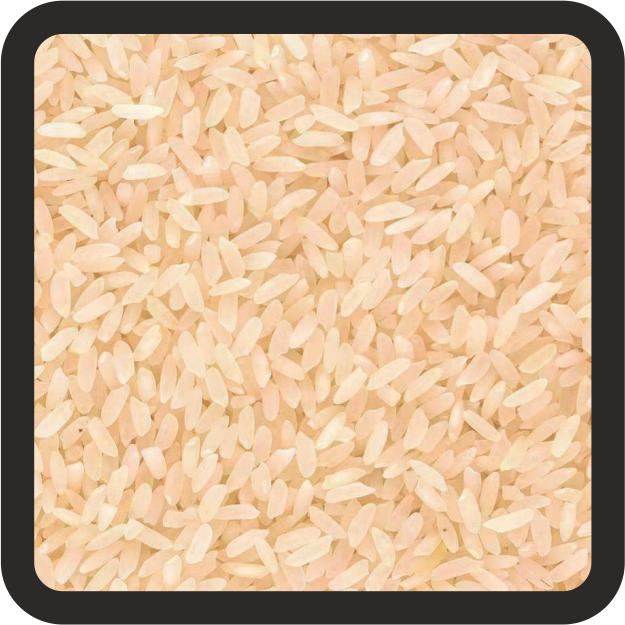
Parboiled rice is rice that has been partially boiled in its husk before milling, a process that helps retain more nutrients compared to regular white rice. It has a firm texture and is widely used in dosa batter for its ability to enhance taste and consistency. From a health perspective, parboiled rice is rich in essential nutrients like B vitamins, iron, and calcium, and it contains more fiber, which supports better digestion. It also has a lower glycemic index than regular white rice, helping in better blood sugar control, making it a healthier and more nutritious choice for everyday meals.
Black Lentel
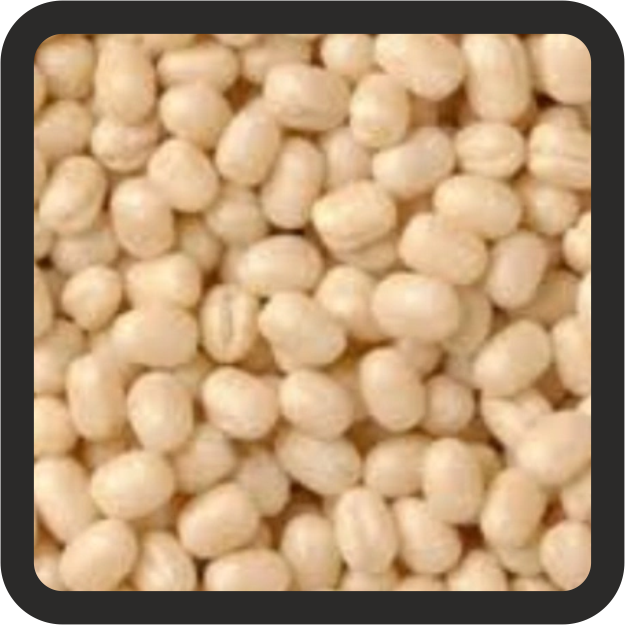
Black lentil (Urad Dal) is a key ingredient in traditional South Indian cooking, especially in dosa batter, where it helps create a soft texture and perfect fermentation. It is rich in protein, making it excellent for muscle strength and overall body repair, and is also a good source of dietary fiber, which supports healthy digestion. Urad dal contains essential minerals like iron, calcium, potassium, and magnesium, contributing to strong bones and improved energy levels. Additionally, it has antioxidant properties and supports heart health, making it a nutritious and valuable addition to a balanced diet.
Fenugreek
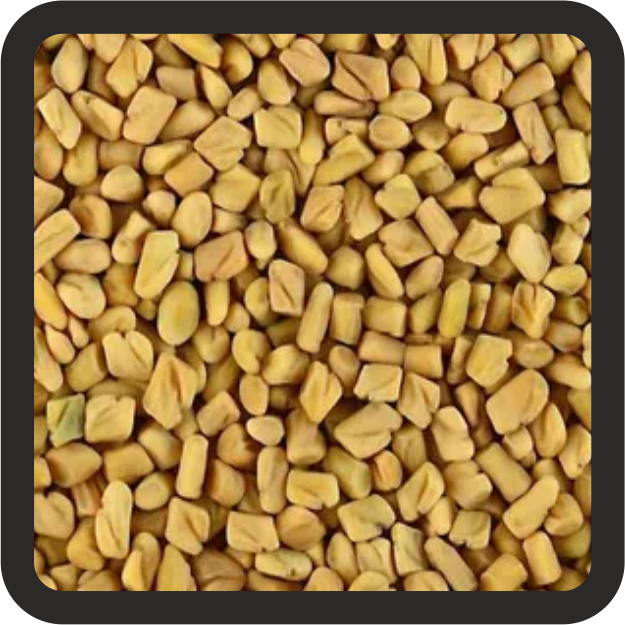
Fenugreek (methi seeds) is an important ingredient in dosa batter, added in small quantities to enhance fermentation, improve texture, and give a mild, pleasant flavor. It also offers several health benefits, as it is rich in fiber, which aids digestion and supports gut health. Fenugreek helps regulate blood sugar levels, making it beneficial for people with diabetes, and is known to support heart health by helping manage cholesterol levels. Additionally, it has antioxidant and anti-inflammatory properties, contributing to overall wellness and immunity.
Split Chickpeas
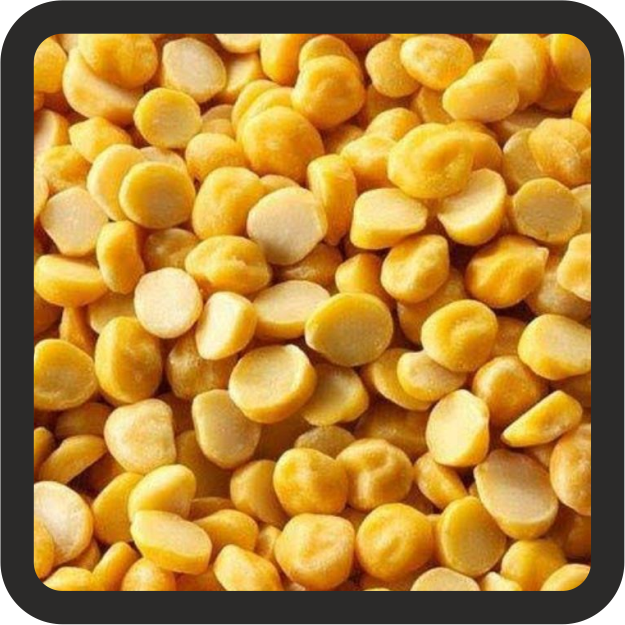
Chickpeas (chana dal) are a nutritious ingredient often used in dosa batter and chutneys to enhance flavor and texture. They are rich in plant-based protein, making them great for muscle strength and overall body nourishment, and high in dietary fiber, which supports healthy digestion and keeps you feeling full for longer. Chana dal is also a good source of essential nutrients like iron, magnesium, and B vitamins, helping boost energy levels and support heart health. With its low glycemic index, it helps in maintaining stable blood sugar levels, making it a healthy addition to a balanced diet.
Split Pigeonpeas
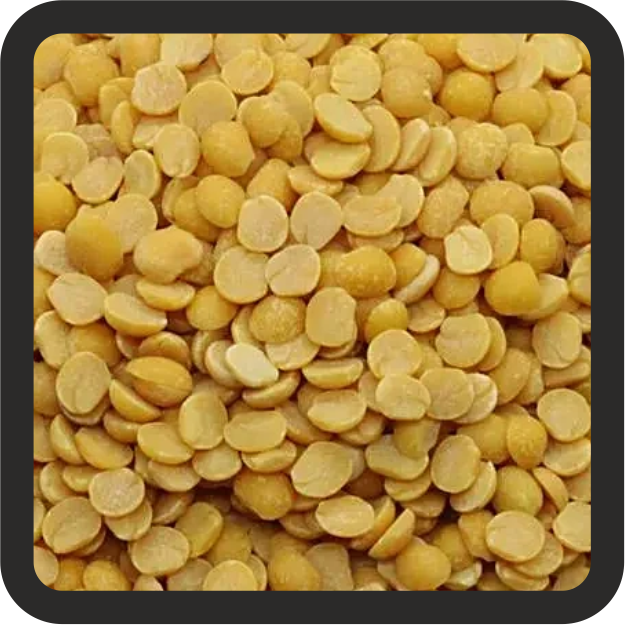
Pigeon peas (toor dal) are a staple ingredient in South Indian cuisine, especially in dishes like sambar that perfectly complement dosa. They are rich in plant-based protein, supporting muscle health and overall body strength, and high in dietary fiber, which aids digestion and promotes gut health. Toor dal is also packed with essential nutrients such as iron, potassium, and folic acid, helping improve energy levels, support heart health, and boost immunity. Its balanced nutritional profile makes it a wholesome and healthy addition to everyday meals.
Flattened Rice
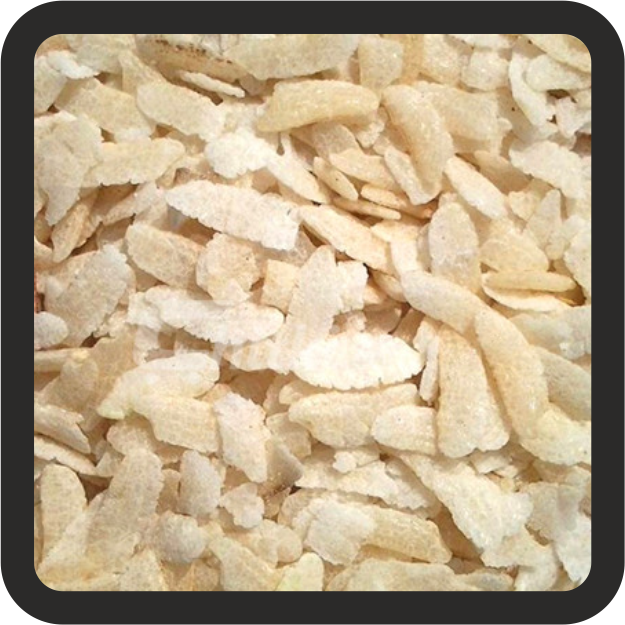
Flattened rice (Avalakki or poha) is a light and easily digestible ingredient often added to dosa batter to improve softness and texture. It absorbs water quickly, helping create a smooth batter and enhancing fermentation. Avalakki is a good source of carbohydrates, providing quick energy, and contains essential nutrients like iron and small amounts of vitamins. It is gentle on the stomach, supports easy digestion, and helps keep meals light yet satisfying, making it a healthy addition to a balanced diet.
Dips for Dosa (Relish)
Crispy dosas alone are not enough to make the dish enjoyable. Dosa is not a standalone item—it needs flavorful, spicy accompaniments to enhance its taste. These chutneys and dips together make dosa more delicious and loved by people all over the world. Coconut chutney, red chutney, spicy sambar, and potato masala together create a perfect and flavorful combination with dosa.
Coconut Chutney
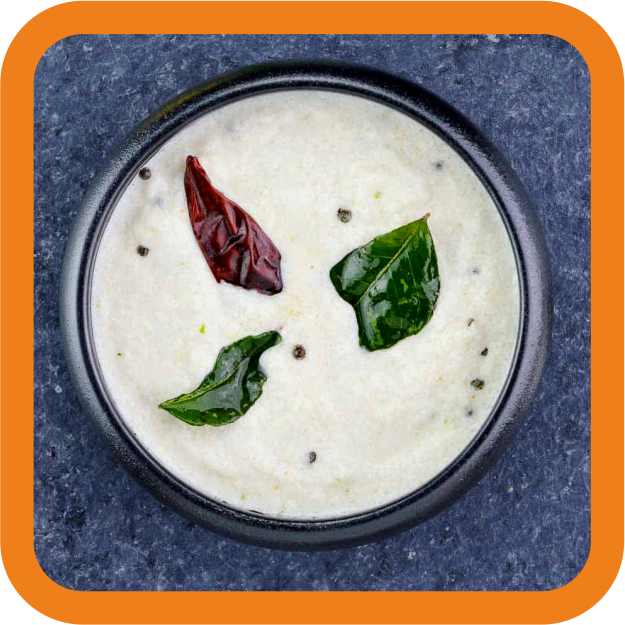
Coconut chutney is a classic South Indian accompaniment that perfectly complements dishes like dosa, idli, and vada. It is made using fresh grated coconut, green chilies, roasted gram (chana dal), ginger, and a touch of salt, all blended into a smooth, creamy paste. The chutney is often finished with a flavorful tempering of mustard seeds, curry leaves, and dried red chilies in oil, which enhances both its aroma and taste.
Health Points
Beyond its delicious flavor, coconut chutney offers several health benefits. Fresh coconut is rich in healthy fats, especially medium-chain triglycerides (MCTs), which provide quick energy and support metabolism. It is also a good source of dietary fiber, aiding digestion and promoting gut health. Ingredients like ginger and curry leaves have anti-inflammatory and antioxidant properties, which help boost immunity. Additionally, coconut contains essential minerals such as iron, potassium, and magnesium, contributing to overall well-being.
Red Chutney
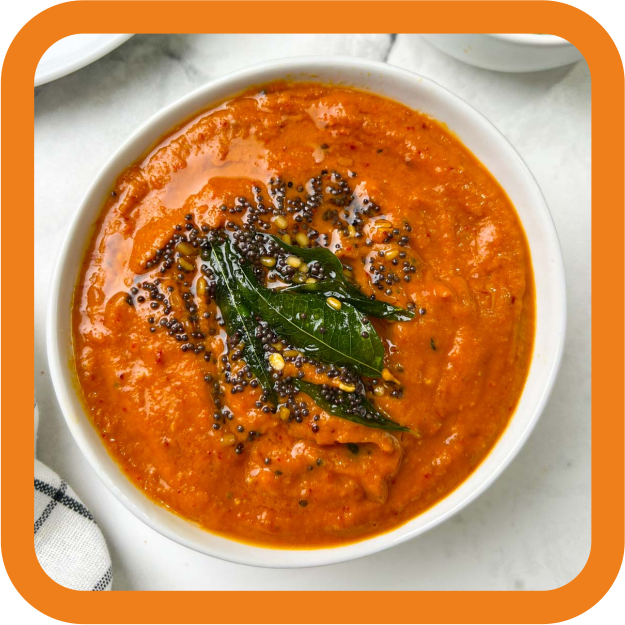
Tomato chutney is a popular South Indian accompaniment made from ripe tomatoes, green or red chilies, garlic, and a blend of spices, ground into a smooth or slightly coarse paste. It is usually finished with a tempering of mustard seeds and curry leaves, which enhances its aroma and flavor. With its tangy, mildly spicy taste, tomato chutney pairs perfectly with dishes like dosa, idli, and vada, adding a rich and appetizing touch to every meal.
Health Points
In addition to its great taste, tomato chutney offers several health benefits. Tomatoes are rich in antioxidants like lycopene, which supports heart health and helps protect cells from damage. They are also a good source of vitamins A and C, which boost immunity and promote healthy skin. The ingredients used, such as garlic and curry leaves, further aid digestion and have anti-inflammatory properties, making tomato chutney a nutritious and healthy addition to your diet.
Sambar ( Lentil Sauce )
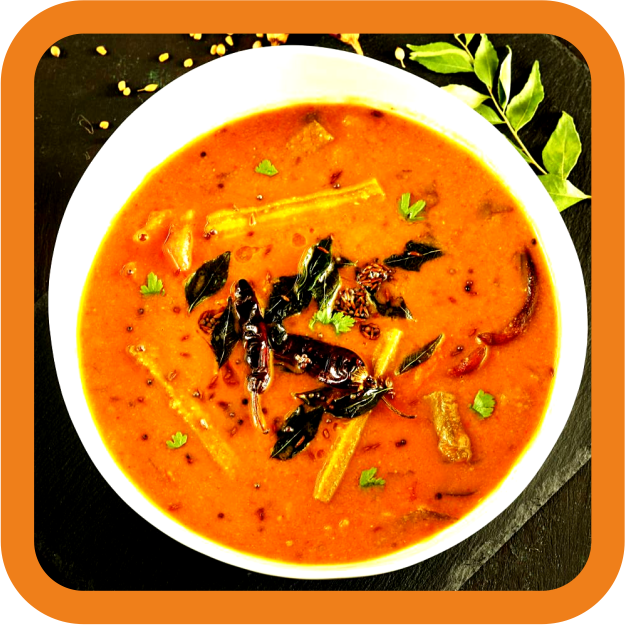
Sambar is a traditional South Indian dish made from lentils (usually toor dal), tamarind, and a variety of vegetables, cooked together with a special blend of spices known as sambar powder. It has a rich, tangy, and mildly spicy flavor that perfectly complements dishes like dosa, idli, and rice. Often finished with a tempering of mustard seeds, curry leaves, and dried red chilies, sambar is both aromatic and wholesome, making it an essential part of South Indian cuisine.
Health Points
In addition to its delicious taste, sambar offers numerous health benefits. It is rich in protein from lentils, which supports muscle strength and overall body health, and high in dietary fiber, aiding digestion and promoting gut health. The vegetables used provide essential vitamins and minerals, while tamarind adds antioxidants that help improve immunity. With its balanced nutrition and low fat content, sambar is a healthy and nourishing addition to everyday meals.
Potato Masala
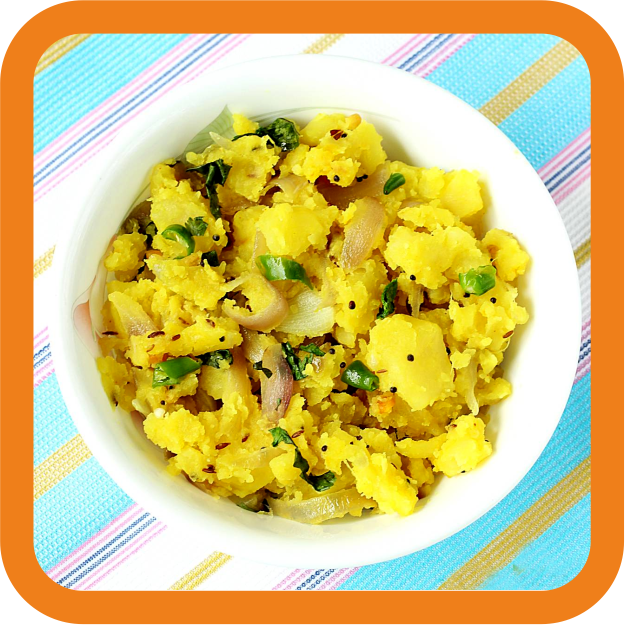
Aloo masala is a flavorful potato filling commonly used in masala dosa, made by cooking boiled potatoes with onions, green chilies, mustard seeds, curry leaves, turmeric, and mild spices. It has a soft texture and a mildly spiced, savory taste that perfectly complements the crispiness of dosa. This delicious filling adds richness and depth to the dish, making masala dosa a satisfying and complete meal.
Health Points
Along with its great taste, aloo masala offers several health benefits. Potatoes are a good source of carbohydrates, providing energy, and contain essential nutrients like potassium and vitamin C. The addition of spices such as turmeric and curry leaves brings antioxidant and anti-inflammatory properties, while onions support digestion and heart health. When prepared with balanced ingredients, aloo masala can be a nutritious and wholesome part of your meal.
